
In the summer of 2019, I was approached by one of the producers of an upcoming CBC (Canadian Broadcasting Corporation) documentary film that focused on the subject of how autonomous driving could affect the way we live and what we had to gain and lose from this technology. One of my Facebook friends, Tony Coleman, who is an acquaintance from my hometown of Toronto, happened to be the editor of the film and had recommended me to the producers based on posts that I had made on my Facebook page about my nomadic RV life as an artist.
I was incredibly honored and excited about the opportunity to be involved in this project. I was one of several subjects who each brought a different perspective to the theme of the film. The film is “Drive”. It features segments on various people including Gary Numan – the British rocker, Jully Black – the Canadian R+B and entertainment icon, and several other subjects…including me! What? Wow! I still pinch myself knowing that I was a part of this wonderful film directed by Scott Harper.
The producers were at a crossroads due to a subject whom they were working with not panning out and they needed to find a replacement “van lifer” asap for this particular segment of the film. Following Tony’s recommendation, the associate producer then called me for an initial and extensive phone interview. I was told a few days later that they wanted me in the film, and then was asked if I’d be interested. It took me about two seconds to say “Yes!” and take them up on the incredible once-in-a-lifetime offer.

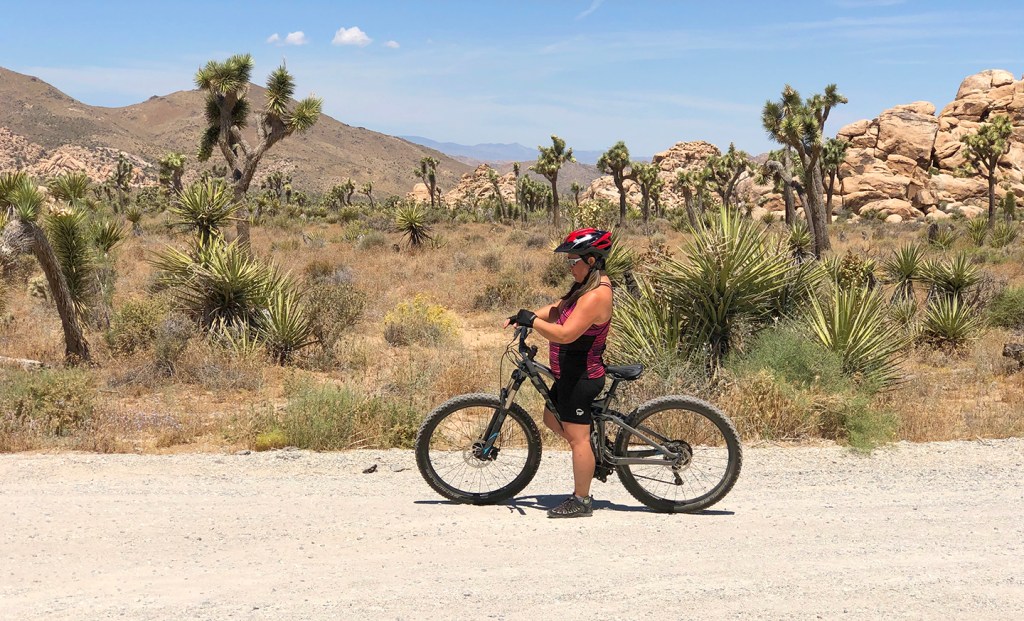
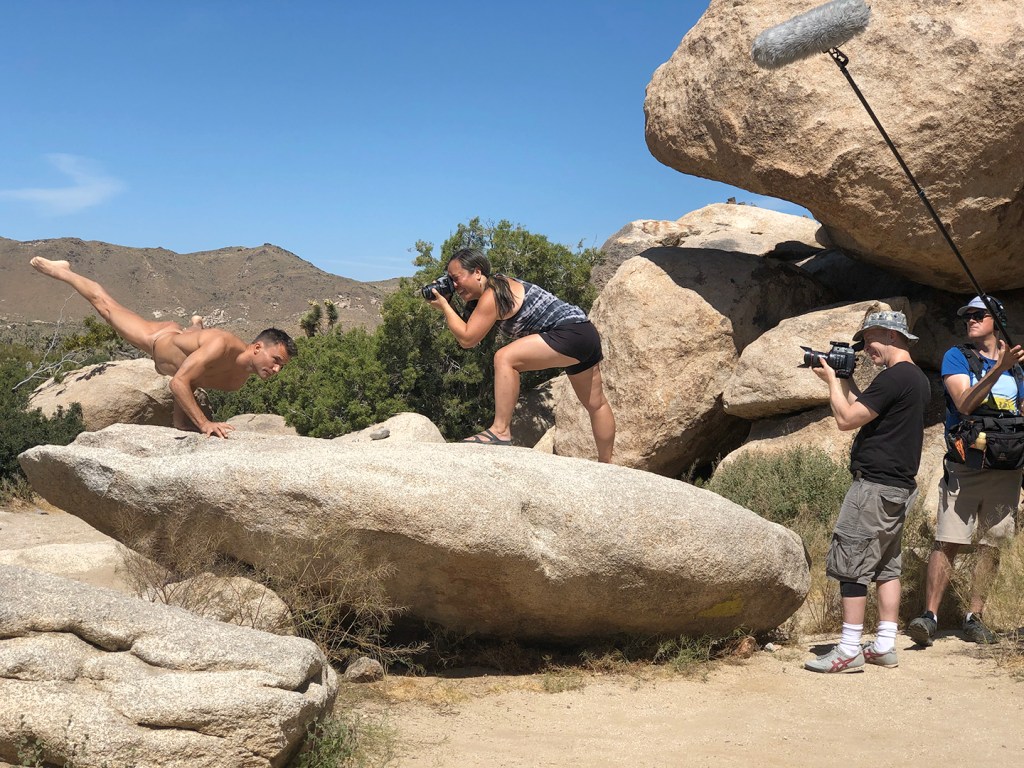
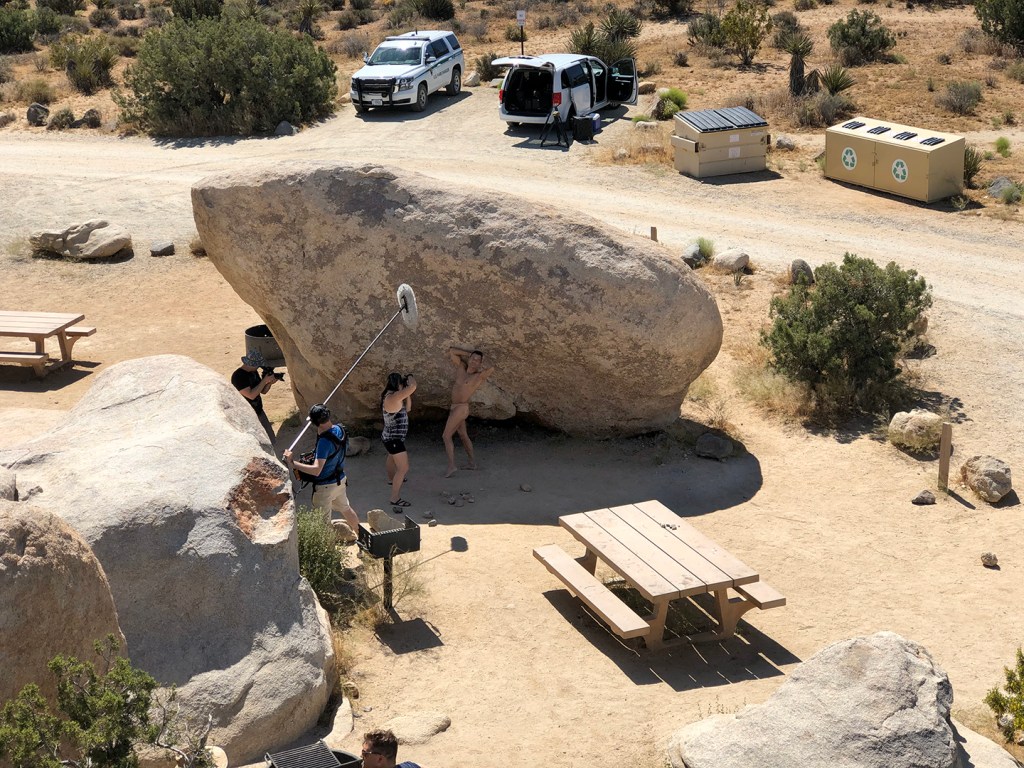
The planning stage was next. Working with the associate producer, Erica Leendertsel, we talked about suitable locations and also arranged for specific scenes that involved capturing the essence of my life as an RV-dweller and nomadic professional fine artist. Some scenes involved getting friends together around a campfire for a conversation, mountain biking in Joshua Tree National Park, photographing one of my models in a photoshoot setting to depict how my art is created, and setting up Gypsy Rose at a campsite.

The film summary from IMDb.com – “For the better part of the twentieth century to present day, learning how to drive has been a rite of passage for many in western society with eventual automobile ownership considered for some an extension of themselves. With the onset of autonomous vehicles, the skill of driving may become a lost art with some predicting that not only will autonomous vehicles one day dominate the roadways, but that the act of driving may be banned altogether in taking the “dangerous” human element out of the equation. A diverse range of individuals at various stages of their driving life rhapsodize about what driving means to them and their connection to driving and human driven vehicles, and thus their fear of what that loss of being able to drive would mean for themselves and for society.”

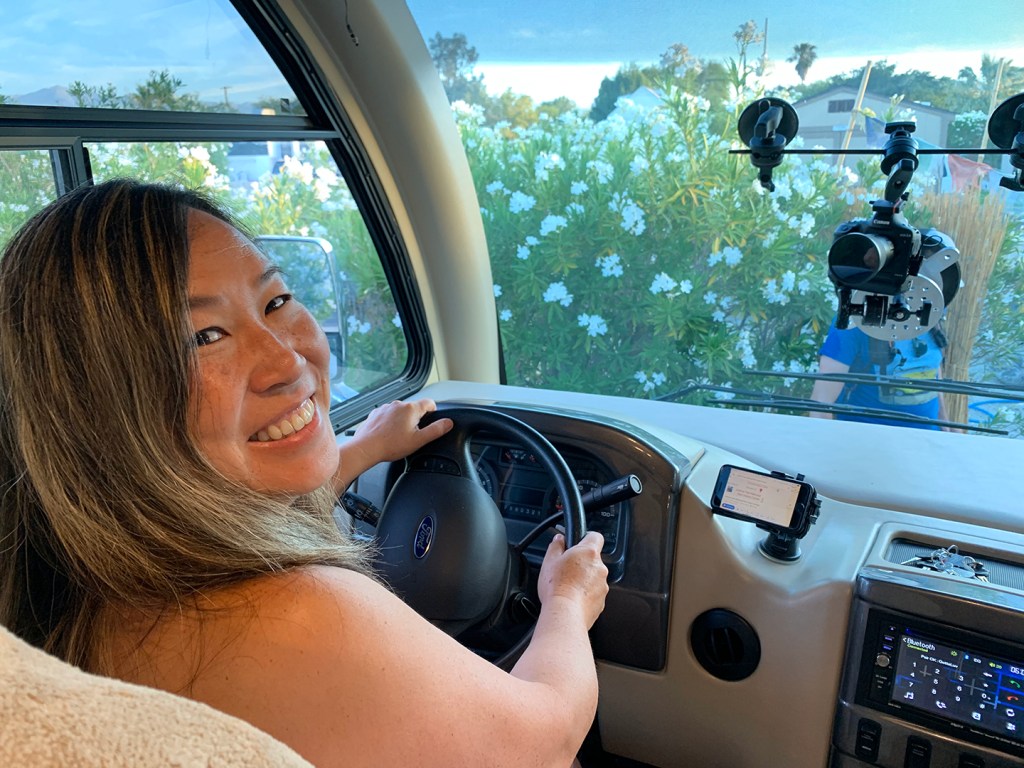
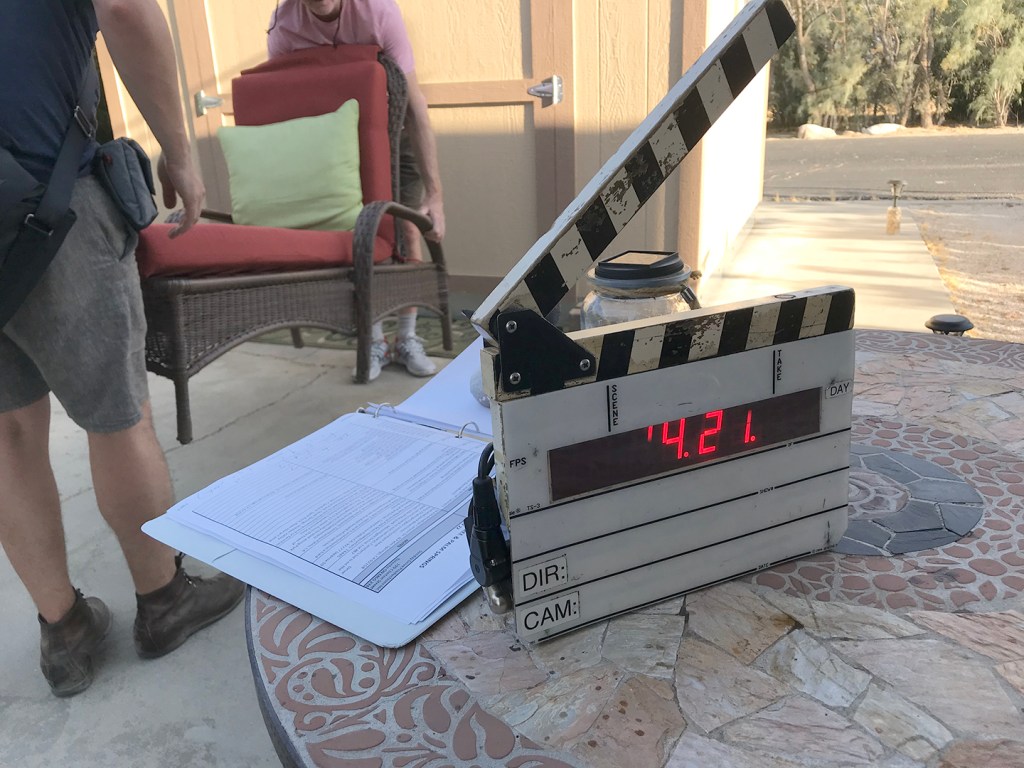
My role in the film was to simply be myself – a professional artist living full-time in her 25-ft motorhome. Filming for my segment took place over the course of two (very hot and very long) days – Day 1 in Joshua Tree National Park and Day 2 at my permanent RV pad in Palm Springs. It was two days of grueling heat, and an extraordinary effort on the part of the director and film crew. I was blown away by the amount of hard work that the crew put in during the two days of shooting. Wow, what an experience!

Throughout the shooting, a lot of the questions were asked on camera. The questions are meant to really challenge the subjects so that interesting and meaningful answers are the result. I found that aspect of the filming very interesting. Many of the questions required that I dig deeply into my heart and mind for meaningful answers. It was challenging at times especially having to answer “spontaneously” while being filmed, but when answers came naturally, that seemed to be when the magic happened. When you’re in the zone, things just seem to flow more naturally and sincerely. And sometimes there are even tears! And, yes, I cried. In the end, the director and editor create their magic when the pieces of dialogue are interwoven in the film and all of the parts come together to tell the story in a compelling way.


The experiences from the filming were life-altering for me. For one, I’ve never been featured in a documentary film before, so this was a first for me. Two, even though I’ve been on set as an art director for still photo shoots, I couldn’t believe how much more work it is to capture motion and sound on film. The number of takes, the amount of footage, the entire process of not just filming footage, but the amount of work involved pre-shoot, during the shoot, and after the shoot, to create a full-length film was completely astounding and eye-opening to me. It was an education as well as a wonderful first-hand, life experience. I will always be so grateful for the experiences.

When the film was completed, the director was going to take the documentary on the international film festival circuit, but unfortunately, the global pandemic squelched that major aspect of the film and the marketing of it. The timing and impact of the pandemic on so many projects was very unfortunate. But, thankfully, this wonderful film was completed, viewed and enjoyed by many online on CBC Gem and the CBC Documentary Channel, and I’m sure it will still have a life of its own moving forward including the possibility of being on YouTube one day.

I can’t thank everyone who was involved in making this happen for me enough. I will never forget the inspiration that I found in the experience and the joy of being a part of something so meaningful and unique.

 The Happy Little Bird
You must be logged in to post a comment.